
What are the symptoms of sleep apnoea?
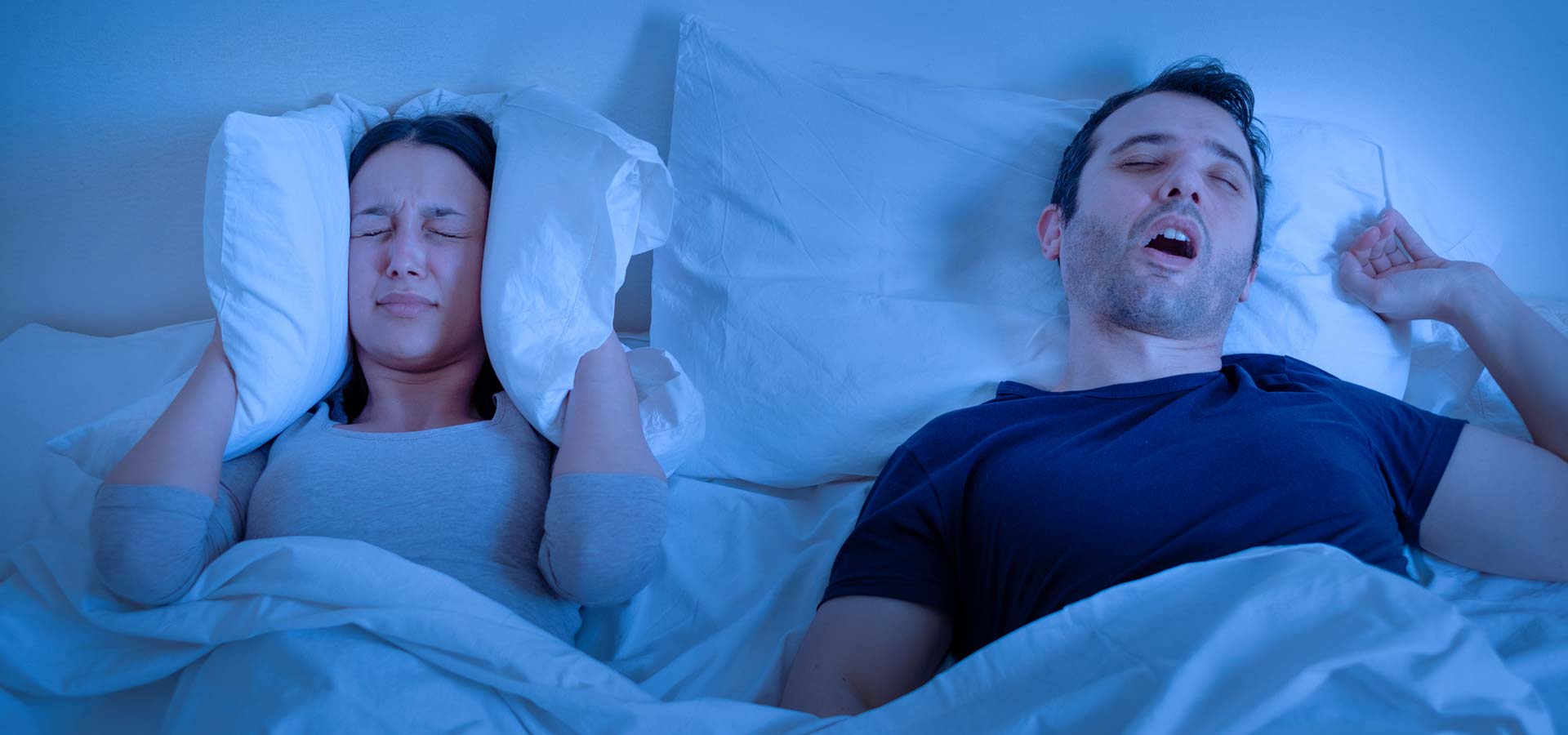
The most common problem with snoring is that you may not be aware of the extent of your snoring, especially if you live alone. You may not realise that your snoring is choking you and making you gasp for breath, which can be life threatening. Listed below are some other symptoms of sleep apnoea.
- Loud excessive snoring
- Choking or gasping for air during sleep
- Loss of sleep, insomnia
- Feeling sleepy or drowsy during the day
- Morning headaches and fatigue due to loss of sleep
- Waking up with a dry mouth and sore throat
- Irritable during the day
Some of these symptoms may very well be related to other aspects of your lifestyle such as a hectic work schedule with less sleep etc. It is therefore important to get yourself checked to ensure you get the proper care in time.
What is Obstructive Sleep Apnoea?
Obstructive Sleep Apnoea(OSA) occurs when the muscles in the back of your throat relax. When these muscles relax it causes the airway to close and makes it difficult to breathe. Due to this blockage of air you will wake up briefly. When this happens constantly through the night, you end up losing sleep. Losing sleep repeatedly can cause other conditions such as high blood pressure, a heart condition and even a stroke.
What is Central Sleep Apnoea?
Central sleep apnoea is not as common as Obstructive Sleep Apnoea. This is a condition where your brain does not send a signal to the breathing muscles. It's almost like you forget to breathe for a short period of time. This shortness of breath will awaken you from your sleep.
Sleep Apnoea Treatment
Your dentist will assess your condition by understanding your lifestyle and a full medical and dental history along with a physical examination. If your condition is mild, you may be asked to make some simple lifestyle changes. In case of more severe symptoms, here are some of the treatment options.
Mandibular Advancement Device
The mandibular advancement device(MAD) is used in cases of mild obstructive sleep apnoea. MADs are devices similar to mouthguards and help in preventing the tongue from blocking the throat. They also make it possible to ease the lower jaw forward.
Uvulopalatopharyngoplasty
UPPP is a procedure used to remove the soft tissue on the back of the throat and palate. Doing this increases the width of the air passage at the opening of the throat.